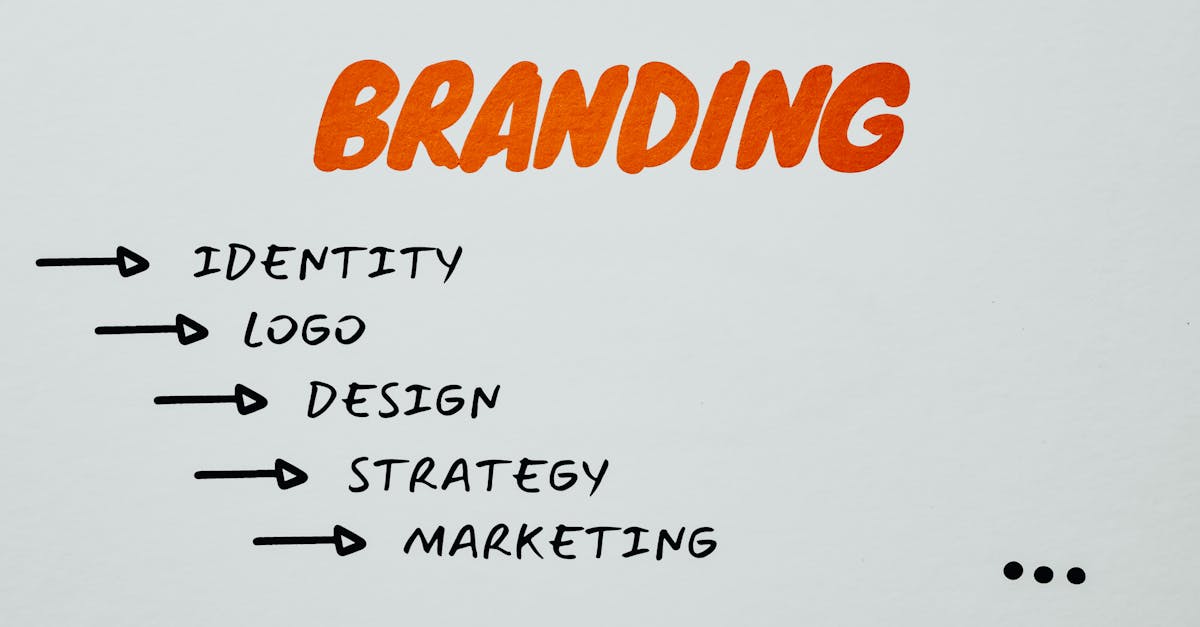
- Why Business Branding Matters More Than Ever
- What Exactly Is Branding?
- Trust as the New Currency
- Cutting Through the Digital Noise
- Defining Your Unique Value Proposition
- The Power of Emotional Connection
- Why Consistency Is Your Best Friend
- Building Unwavering Customer Loyalty
- Branding Beyond the Customer
- The Role of Digital Presence
- Harnessing the Art of Storytelling
- Adapting to Changing Consumer Values
- Common Branding Pitfalls to Avoid
- Future Proofing Your Business
- Conclusion
- Frequently Asked Questions
Why Business Branding Matters More Than Ever
Have you ever walked into a coffee shop, looked at the logo on the cup, and instantly felt a sense of comfort before even taking your first sip? That is not an accident. That is the sheer power of branding at work. In a world where options are limitless and attention spans are shrinking, your brand is the only thing that separates you from being just another generic commodity. It is the silent ambassador that speaks for you when you are not in the room.
What Exactly Is Branding?
Think of your brand not as a logo, a color scheme, or a catchy slogan. Those are just the clothes the brand wears. Branding is the soul of your business. It is the collection of feelings, perceptions, and expectations that people have when they interact with your company. If your business were a person, your brand would be their personality, their values, and how they make others feel after a conversation.
Trust as the New Currency
In the digital age, trust is harder to earn and easier to lose than ever before. Why should a stranger hand over their hard earned money to your business? It is because they trust your brand. When your branding is professional and transparent, it signals to the world that you are reliable. Think of it like meeting a new friend; you tend to gravitate toward people who carry themselves with confidence and authenticity. Branding does exactly that for your company.
Cutting Through the Digital Noise
We are living in an era of information overload. Every single day, consumers are bombarded with thousands of marketing messages. If you try to shout at everyone, you end up sounding like background static. Strong branding allows you to cut through that noise. It acts as a beacon that draws your specific target audience toward you. It says, “I am the solution you were looking for,” without you having to scream it from the rooftops.
Defining Your Unique Value Proposition
What makes you better than the guy next door? Is it your price? Your speed? Your quality? Your branding must articulate your Unique Value Proposition (UVP) clearly. If you cannot explain why you are different in three sentences or less, you are already losing. Your branding is the vessel that carries your UVP, ensuring that your audience understands exactly why they should choose you.
The Power of Emotional Connection
People make decisions based on emotion and then justify them with logic later. If you want a customer to buy from you, you have to make them feel something. Great brands connect with their customers on a deeper level. They touch upon shared values or aspirations. When you sell a dream instead of just a product, you move from being a vendor to being a partner in the customer’s journey.
Empathy in Action
Brands that demonstrate genuine empathy for their customers’ struggles build bulletproof relationships. It is about listening to what the customer actually needs, not just what you want to sell them.
Why Consistency Is Your Best Friend
Imagine if your best friend acted like a completely different person every time you saw them. It would be confusing, right? Your brand needs that same sense of continuity. Whether a customer visits your website, walks into your store, or interacts with your social media, the vibe, voice, and quality must be consistent. This consistency builds familiarity, and familiarity breeds trust.
Building Unwavering Customer Loyalty
Loyal customers are the lifeblood of any sustainable business. They are the ones who buy from you repeatedly and tell their friends about you. Branding creates a sense of community. When people identify with your brand, they are not just buying a product; they are affirming their own identity. That is how you turn a one time buyer into a lifelong fan.
Branding Beyond the Customer
Your brand matters just as much to your team as it does to your clients. A strong, clear brand gives your employees a sense of purpose. It tells them what the company stands for and how they should behave. When your employees are proud of the brand they represent, they become your greatest advocates, which in turn improves the customer experience.
The Role of Digital Presence
Your website is your storefront, and your social media is your neighborhood. In the modern marketplace, if you do not exist online, you do not exist at all. Your digital presence is the first impression most people will have of your brand. You must ensure that every digital touchpoint reflects the core essence of your business.
The Impact of User Experience
Even the most beautiful logo cannot save a clunky, frustrating website. Your digital branding must include a seamless user experience. If your site is hard to use, customers will assume your business is hard to deal with.
Harnessing the Art of Storytelling
Everyone loves a good story. Why did you start this business? What obstacles did you overcome? What is your vision for the future? Sharing your story makes your brand human. It allows people to relate to your struggles and celebrate your victories. Facts tell, but stories sell.
Adapting to Changing Consumer Values
The market is fluid. What mattered to consumers a decade ago might not matter today. Sustainability, ethics, and social responsibility have become huge factors in brand perception. Modern branding requires you to be agile and responsive to the evolving values of your audience.
Common Branding Pitfalls to Avoid
Many businesses fail because they try to be everything to everyone. This is a trap. If you dilute your brand to appeal to the masses, you end up appealing to no one. Focus on your niche. Another common mistake is neglecting the brand experience after the sale. Branding is a marathon, not a sprint.
Future Proofing Your Business
Investing in your brand is the best insurance policy you can buy. Market trends fluctuate and technology changes, but a strong brand remains relevant. When you own the mindshare of your customers, you create a buffer against competitors who are just trying to compete on price alone.
Conclusion
Ultimately, branding is not a luxury or a marketing expense. It is a fundamental necessity for business survival. It is the bridge between your product and the hearts of your customers. By investing in a clear, consistent, and authentic brand, you are not just selling a product; you are building a legacy. Start today by asking yourself what your brand really stands for, and then make sure every action you take aligns with that vision. In a noisy world, be the one that leaves a lasting impression.
Frequently Asked Questions
1. Is branding only important for big corporations? Absolutely not. Small businesses actually benefit more from strong branding because it allows them to stand out against larger, more established competitors by building personal, local, or niche connections.
2. How do I know if my branding is working? Look for signs like increased customer loyalty, higher referral rates, and the ability to charge a premium for your products or services. If your customers talk about you with passion, your branding is working.
3. Can I change my brand if it is not working? Yes, rebranding is a common practice. However, it should be done thoughtfully. Understand why the current brand is failing and ensure the new direction aligns with both your business goals and your customers’ needs.
4. Does social media strategy count as branding? Social media is a tool to communicate your brand. The content you post, the way you respond to comments, and the visuals you use are all part of your brand voice and identity.
5. How much time does it take to build a strong brand? Building a brand is a marathon, not a sprint. It takes consistent effort over months and years to build true recognition and trust in the marketplace.